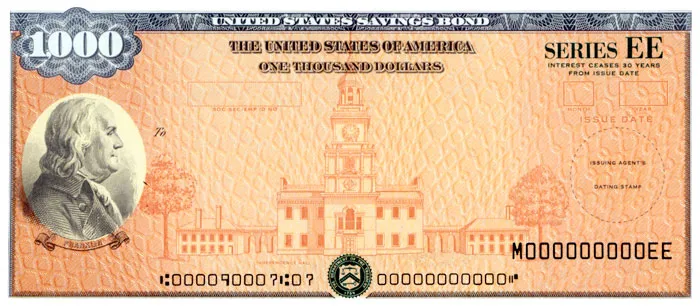
A useful review of savings bond app separates the headline promise from the operational details. The right starting point is your goal, available budget, location, time horizon, and tolerance for the risks that come with this personal-finance decision.
How to frame savings bond app
A meaningful comparison should cover total cost, interest, repayment horizon, monthly cash flow, fees, and realistic alternatives. Check at least two or three realistic alternatives using the same assumptions so that a low headline price is not hiding a more expensive overall outcome.
Costs and criteria to compare
The main risks to review are unaffordable payments, teaser rates, unnecessary fees, damaged credit, and plans that ignore emergency savings. Their importance changes by provider and personal circumstances, so read the complete terms and do not rely on an old screenshot, cached quote, or promotional summary.
Risks and verification checks
For current verification, inspect the full repayment schedule, annual percentage rate, contract terms, budget impact, and independent consumer guidance. Keep a dated record of the quote or terms you relied on, especially when rates, limits, or availability can change after this page was published.
Questions worth asking before you choose
Before choosing, ask what happens when you need support, cancel, dispute a transaction, move your data or money, or use the service outside the most common scenario. Clear answers to these edge cases often distinguish a durable option from a short-term promotion.
Practical next steps
A practical next step is to shortlist the options that meet your non-negotiable criteria, calculate the complete cost, and test the smallest reversible action first. Recheck the decision whenever fees, rules, or your financial situation changes.
Current sources and perspectives
Use these source summaries as a starting point and verify fees, rates, and eligibility directly with each provider before making a financial decision.
TreasuryDirect - Home
We would like to show you a description here but the site won't allow us.
MyBonds App - App Store
Download MyBonds by Permusoft on the App Store. See screenshots, ratings and reviews, user tips, and more apps like MyBonds.
Savings Bond Calculator: How Much Is My Savings Bond Worth?
Free savings bond calculator for Series EE, I, E and HH: enter series, issue date and denomination for the official Treasury value as of November 2026, the current rate and the maturity date. Keeps a printable bond inventory.
Savings Bond Wizard for Windows - CNET Download
The Bond Tracker App is an alternative to Savings Bond Wizard. While both tools aim to simplify bond management, Bond Tracker's mobile-first design sets it apart.
Bonds and Securities - U.S. Department of the Treasury
Bonds and Securities Information dealing with the purchase, redemption, replacement, forms, and valuation of Treasury savings bonds and securities is located on the TreasuryDirect.gov website which is managed by the Bureau of the Fiscal Service.
U.S. savings bonds - USAGov
Learn about the types of U.S. savings bonds, how to buy or redeem them, and calculate their value. Find out how to change a bond's ownership and more.
Related Topics
- best financial planning budgeting app
- budgeting app
- banking app auf mehreren handys
- banking app commerzbank
- best subscription tracker app free android
What should I compare when researching savings bond app?
Compare total cost, interest, repayment horizon, monthly cash flow, fees, and realistic alternatives. Use the same assumptions for every option so the total cost and practical limitations remain visible.
What risks should I check before using savings bond app?
Review unaffordable payments, teaser rates, unnecessary fees, damaged credit, and plans that ignore emergency savings. The exact exposure depends on your provider, location, financial position, and how the product or service is used.
How can I verify information about savings bond app?
Confirm the full repayment schedule, annual percentage rate, contract terms, budget impact, and independent consumer guidance. Use current primary-source documents for the final decision because rates, availability, and terms can change.